
How To Tell Your Brand Story: On-model & Product Photography Best Practices For Ecommerce Brands

Updated: Feb 12
In today's saturated e-commerce landscape, a brand's visual identity is its most powerful tool. It captures attention, communicates value, and builds an emotional connection with your audience. Photography is the first touchpoint where customers feel who you are, long before they read a word of copy. Clean product shots lay the foundation, but the real alchemy happens when you combine them with on-model photography. This approach truly brings a brand to life, allowing a customer to envision the product as part of their own story. That’s when a brand moves from product to presence, from object to lifestyle, from “nice” to unforgettable. This powerful synergy is a cornerstone of our work, and we've seen it drive incredible growth for our clients.

We witnessed this transformation first hand with a jewelry client seeking to elevate their online presence. In the world of luxury jewelry, a photograph is more than just an image; it's a window into a lifestyle. By weaving in on-model photography to highlight their premium 18K and 22K solid gold chains, their products suddenly lived inside a story—and their audience responded with explosive engagement and record-breaking sales growth.
This guide distills the principles behind that success—giving photographers, founders, and creative teams a roadmap to building an authentic visual identity that truly resonates.
The Foundation – Concept & Setup
Define the Mood
Every shoot begins with energy. Before you even pick up your camera, establish the mood and narrative you want to convey. Ask: what story does the brand want to tell? Timeless elegance? Modern minimalism? Iconic luxury? The answer is your compass. For our jewelry client, we rooted the visual narrative in classic sophistication and contemporary luxury, reflecting the inherent gravitas of fine gold. Subtly playing on the brand's city roots, we created minimalist sets with stone textures that we contrasted with the regal warmth of the gold jewelry.
Choose the Right Backdrop
The backdrop should whisper, not shout. Neutral tones—off white, soft gray, warm ivory, muted stone—let the jewelry shine as the hero. The set becomes a stage for resonance, not distraction. This allows the intricate details and sparkle of the jewelry to stand out.
Lighting is Everything
For luxury jewelry and on-model shots, softer, more even lighting is your best friend. Harsh shadows can obscure details and create a less-than-flattering look on the model. Use large light sources and diffusers to create a gentle, luminous glow that enhances both the model's skin tone and the brilliance of the metal and gemstones. Intentional, soft shadows can create a high-end, artistic look, where the brand ethos calls for mystery, allure, and desire.
The Art of the Shot


Focus on the Details
Luxury lives in the details. A macro lens is non-negotiable for capturing the intricate craftsmanship of a fine piece of jewelry. Your shots should not only show the piece on the model but also provide a close-up that highlights the textures, clasps, and any engravings. These close-ups build trust, proving quality without a single word.


Model Posing and Expression
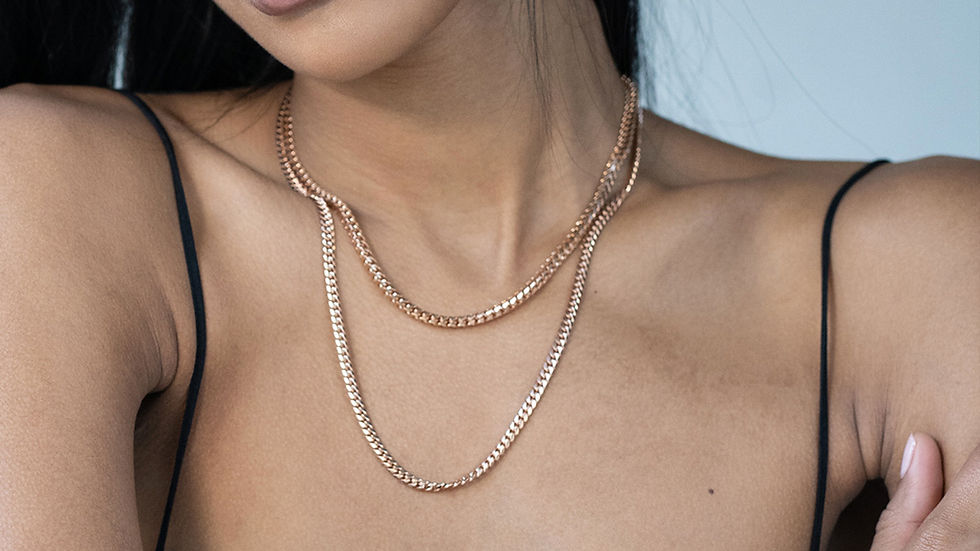
The model is not just a body—it’s the vessel of the brand’s archetype. Every gesture, tilt, and gaze should embody the identity you’re channeling. Their poses and expressions should be natural and elegant, conveying a sense of confidence and allure. Avoid overly dramatic or distracting poses. Simple, subtle gestures—a hand gently touching a necklace or a slight turn of the head—can be more powerful.
Styling the Product
How the jewelry is styled on the model is crucial. Ensure necklaces lay perfectly, bracelets are worn in a way that showcases their design, and rings are positioned to catch the light. A well-styled shot communicates professionalism and attention to detail. Jewelry must rest with intention. Necklaces should flow naturally, rings should catch the light, bracelets should drape effortlessly. When styled correctly, the product speaks a language of care and refinement.
Post-Production Perfection
Clean Up & Enhance
Editing is polishing the gem. Post-production is where you bring the entire vision to life. This is the time to make final adjustments to brightness, shadows, and color balance to ensure consistency and a polished look. You can also make minor retouches to remove any blemishes or dust, ensuring the final image is flawless. Touch up distractions but preserve authenticity—the audience should feel the product’s truth, not a false perfection. Remember, the goal is to enhance, not to alter reality.
The Final Touch
The synergy of on-model and product photography creates a multidimensional identity: aspirational yet grounded, detailed yet emotional.
The results are a more inspiring and authentic experience for the audience, leading to higher engagement and, ultimately, increased conversions. Just as we saw with our client's explosive sales growth after their site and visuals were reimagined with these principles in mind.
Conclusion
On-model photography is more than a technical upgrade. It’s how you invite customers into your myth, letting them imagine themselves inside your world. When combined with intentional product shots, this approach creates a visual identity that not only sells but also endures. At Studio LXR, we’ve seen these principles ignite powerful growth, and we invite you to integrate them into your own brand’s story. When your visuals carry both beauty and soul, engagement and conversions become natural byproducts.
EXPLORE MORE JEWELRY PHOTOGRAPHY /// BOOK US FOR A BRAND PHOTOGRAPHY SHOOT
CREDITS
Client: Saints Gold
Photographer: Lichiban
Model: Chi Vo


Comments